
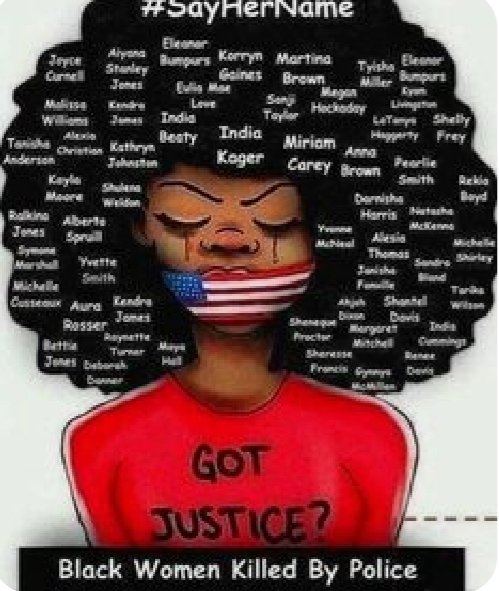
I think I was fourteen when I first tuned in to what was happening between police and communities of color. Amadou Diallo, in 1999, was fired at 41 times by plain clothes officers while reaching for the identification in his wallet. He was unarmed, innocent, and the officers who murdered him were found not guilty – one of them (as of 2015) is an NYPD sergeant. In the twenty years since Amadou, it seems like every few weeks I am hearing about another innocent and/or unarmed person of color dying at the hands of police.
Something about the Botham Jean case feels like the straw breaking the camel’s back. The case represents more than itself. It embodies the ongoing tension between two communities that is unbearable enough when it plays out in the streets, but has now broken into the home of an innocent, unarmed Black man and taken his life as he enjoys ice cream.
Fast forward a year, and to everyone’s surprise, the officer responsible was found guilty and sentenced to ten years in prison. Some consider this a win. It’s also worth noting the reported diversity of the jury. Others point out that Amber Guyger is getting less time than the central park 5, and less time than Black and Brown people convicted of non-violent charges.
And then, the big story of the week – Brandt Jean, Botham’s little brother, forgives Amber and invites her to get to know Christ.
You should know, I am staunchly pro-forgiveness. Whatever I write in the next few paragraphs – don’t twist. I believe in forgiveness, I encourage forgiveness, I practice forgiveness. I know God still loves Amber and I believe God gave Brandt the wisdom and the ability to love his enemy. Forgiveness is always part of the solution.
Part of it.
If the Botham Jean story were an isolated event that took place between two people of equal social status and no contentious history between their racial groups, it would be easier to see this story with just one frame of mind – in light of the way of Jesus, which calls us to forgive as we have been forgiven. And I’m not here to take away from that.
But Botham Jean’s story isn’t just his story – it’s the continuation of the story of Black people in America since before America was America. Whether it’s police brutality, attacks on Black churches, exclusionary practices, the microaggressions POC deal with every day, or other unlisted hardships – it feels like we’re barely through forgiving one thing when another thing happens.
It never ends.
We have been stuck in a cycle of abuse and forgiveness for hundreds of years. The weight of this country is carried – in no small part – on black shoulders. Its exhausting. We need a break. But, it never ends.
I have to admit, I eyerolled when I first heard about Brandt forgiving Amber. I could almost hear the collective sigh of white fragility as it could now unburden itself by using Brandt’s forgiveness to downplay the absurdity of what Brandt is forgiving. Once again able to downplay the absurdity of our history together in this nation.
And listen, I’m almost entirely surrounded by white people all of the time. I know that there are White people who are seeking change and who want to work to make things better for POC in this country. But there is also the very palpable sense that Brandt’s forgiveness will be used to uphold the status quo – “Oh great, he forgave her. Nothing has to change. We aren’t guilty. Let’s move on.”
If you’re reading and you’re White – I leave it to you to decide where you stand, on either extreme or somewhere in the middle. The point of this post isn’t to assess or condemn White people, but to say that while forgiveness is one part of the solution, change is the other part.
Black folks: I believe it’s right to forgive. But no judgment if you can’t. It’s hard to stand up straight when we keep taking blows.
White folks: Stop putting us in the position to have to forgive you all the damn time.
I’m grateful to Brandt for showing just how extremely gracious God is. God loves us all and has already gone to great lengths toward reconciliation. I hope Amber picks up on this and begins working toward reconciliation in her own life – both with God and with communities of color.
I wish I could say I felt more hopeful about racial reconciliation in this country. I wish I could have the confidence that Brandt’s forgiveness would be the widespread start of a new way of relating to one another. I wish it didn’t feel so much like the tragic end of yet another Black life that we forgive and “get over” as await the next victim…
 wholebrownsoul.com
I’m not gonna lie, my first instinct is to want to think of some way to defend myself. Not all while people, certainly not Amber, but myself individually. “I’m not like that. It doesn’t include me.” But the reality of the situation is that in the months between the initial shooting and now all the court room videos hitting social media, I did not think of Botham Jean or his family even one time. Cause I didn’t have to. That is humbling and humiliating and shameful. I’m sorry. And now it’s up to me to decide what I’m going to do about it.
LikeLike
Thanks Brynn for the comment! I think there are a lot of (white) people who aren’t individually hurting the Black community (or other communities of color), but choose to remain unaware of/not think about certain issues because it doesnt affect them. They dont have to think about it, much less get involved. To a degree we all do that – I don’t live in Syria so I don’t have to think about the things Syrian residents and refugees must be facing each day. It’s a form of privilege, to not have to deal with something because it won’t affect you one way or the other. And privilege itself isnt bad. The problem is when we are unaware of the privilege and our indifference to an issue allows that issue to fester – instead of being aware and using the privilege for the good of others. So, thanks for trying to be aware 💕 love you!
LikeLike
I, too, was frustrated with the big story of “forgiveness” with Botham Jean. The people on social media that I KNOW we’re not visibly outraged by the injustice of it all or the deeper implications for race relations (in general and with the police) shared that story with glee. Like, just wipe our hands, it’s all done now. 10 years for the perpetrator is not a win.
Thanks for writing about this and I wish there was something more I could say.
LikeLike
❤
LikeLike